
Things to do in Ravenna, Italy
Ravenna was a capital three times: of the Western Roman Empire from 402, of Theodoric's Ostrogothic kingdom and then of Byzantine Italy, until the Lombard conquest in 751. Eight monuments on the UNESCO World Heritage List survive from those centuries. Later came Dante, who spent his last years here and is buried here, and the Venetians, who gave Piazza del Popolo its present shape.
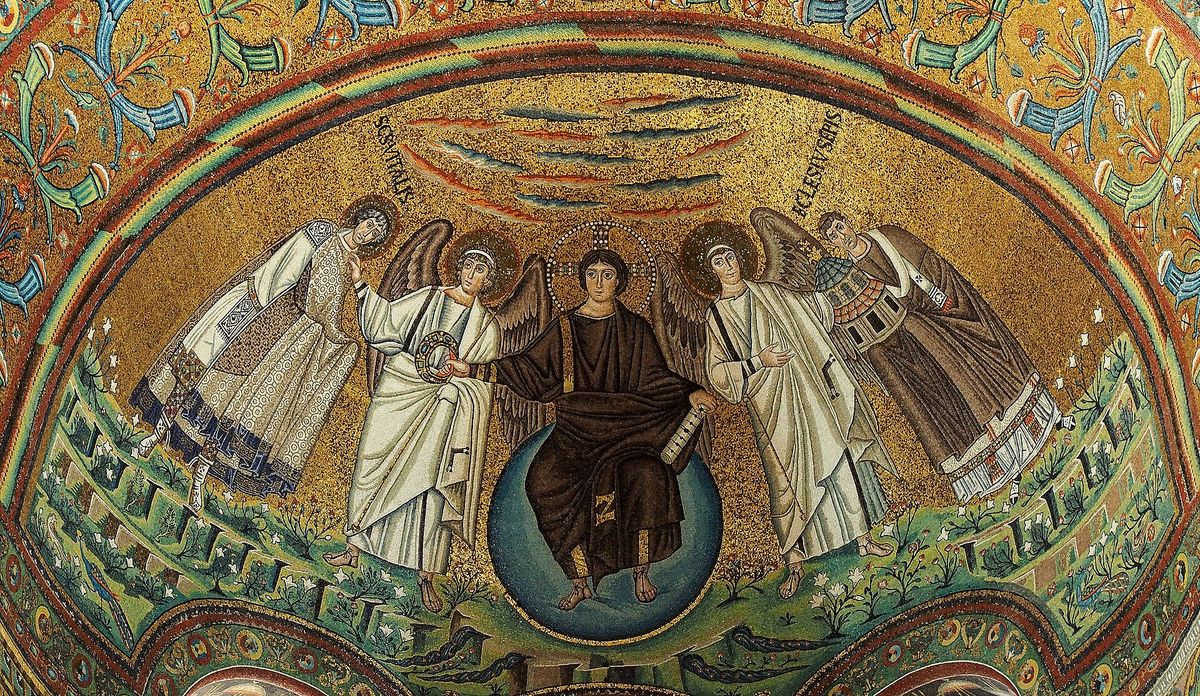
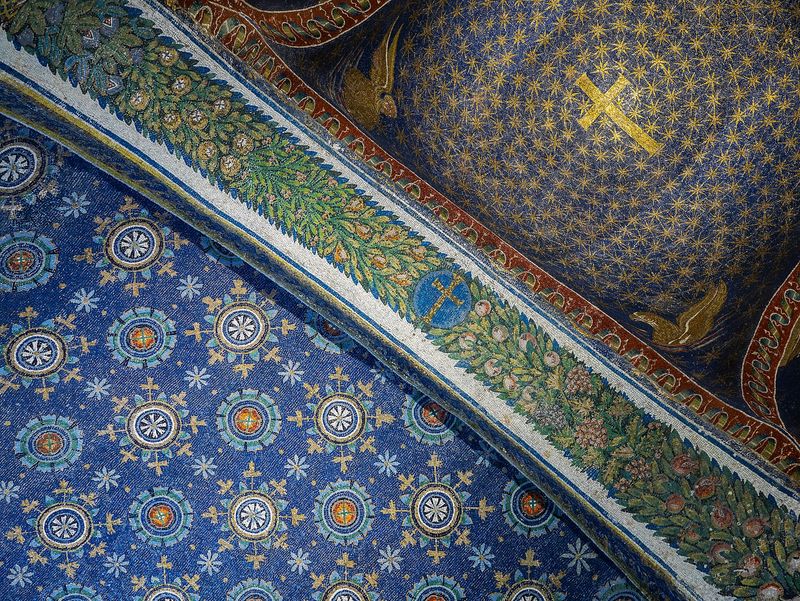
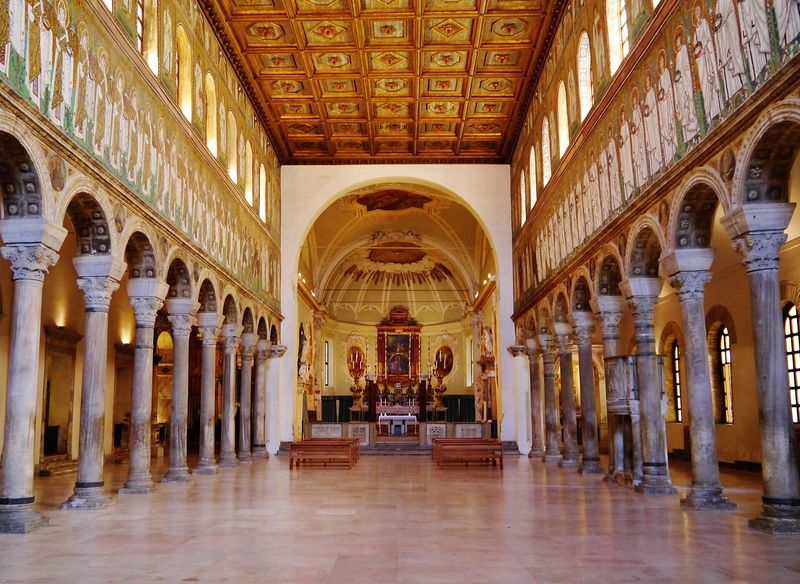
The eight UNESCO monuments
These are eight religious buildings from the 5th and 6th centuries, on the World Heritage List since 1996. According to UNESCO their mosaics are among the best surviving examples of this art in Europe, blending western and eastern motifs and techniques.
- Mausoleum of Galla Placidia
- Small, but decorated inside with mosaics against a dark blue background. The building follows the Western Roman architectural tradition.
- Neonian Baptistery (or Baptistery of the Orthodox)
- Inlaid marble, stucco and multi-coloured mosaics in the dome: for UNESCO it is the finest and most complete surviving early Christian baptistery.
- Basilica of Sant'Apollinare Nuovo
- Built under Theodoric as a palace church. Its mosaics follow the traditional Roman style and show a strong Byzantine influence.
- Arian Baptistery
- It dates from the height of Gothic rule. The mosaics show the baptism of Christ, with details that reflect the principles of the Arian faith.
- Archiepiscopal Chapel (or Chapel of Sant'Andrea)
- It is the only orthodox monument built during Theodoric's reign.
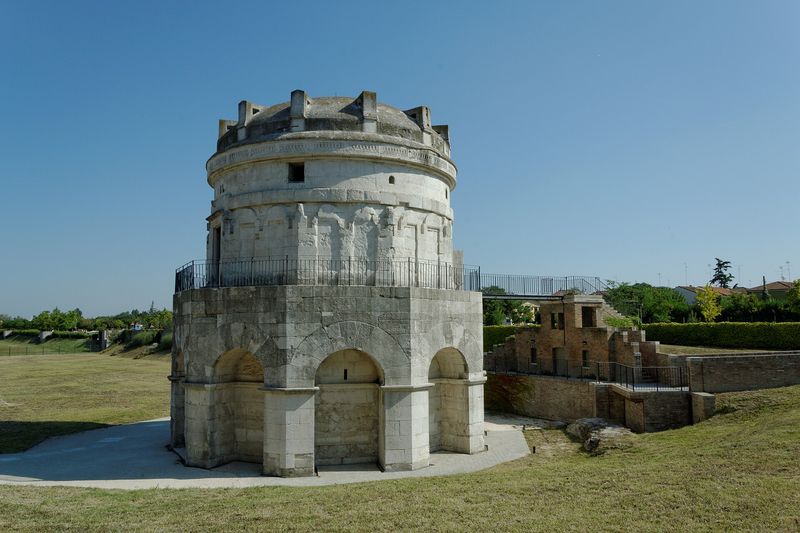
- Mausoleum of Theodoric
- A unique piece of architecture: large blocks of Istrian stone around a central space. It is the only surviving tomb of a barbarian king from that period.
- Basilica of San Vitale
- It dates from the time of Justinian. For UNESCO it is one of the highest achievements of Byzantine architecture in Italy, combining western and eastern elements.
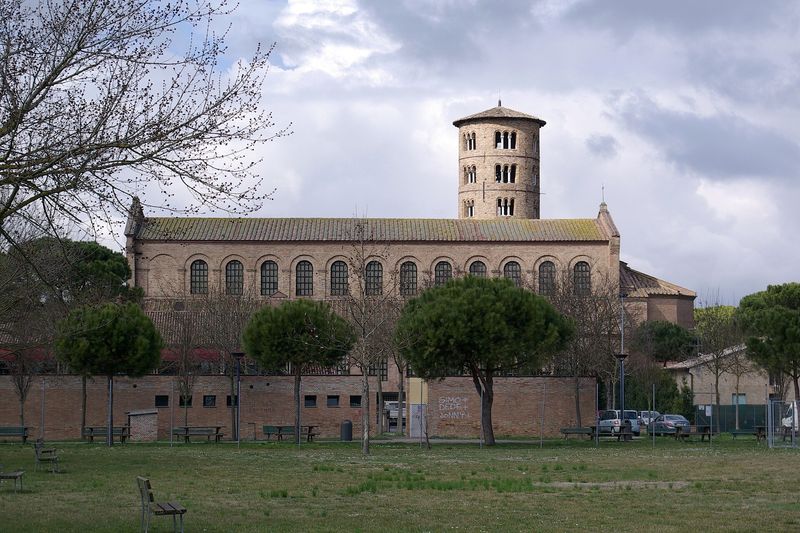
- Basilica of Sant'Apollinare in Classe
- It stands in Classe, outside the centre: an imposing building with a cylindrical bell tower, spacious interiors, marble and mosaics.





Dante's tomb and the places of Dante
In 1318 Dante settled in Ravenna, invited by Guido Novello da Polenta, lord of the city. Here he finished the Divine Comedy and here he died, on the night between 13 and 14 September 1321.
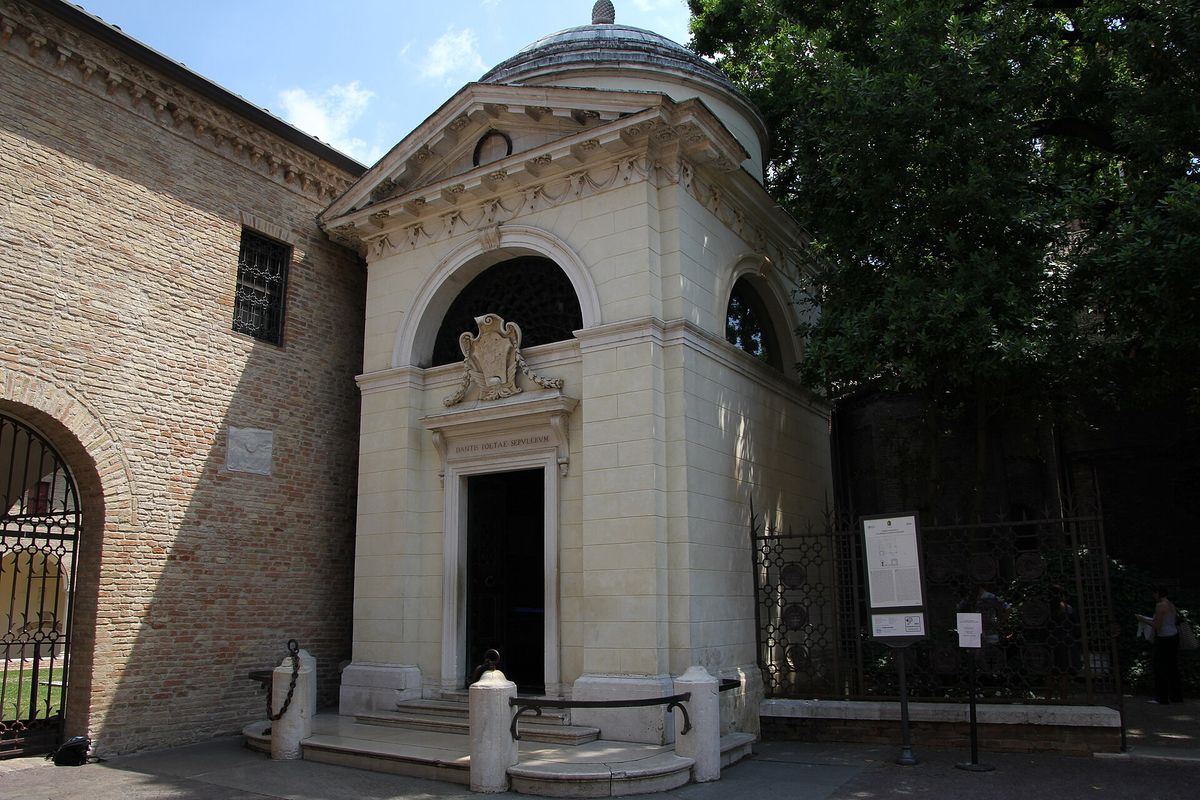
The tomb is on Via Dante Alighieri. It began as a small chapel, arranged in 1321 by Guido Novello; today's neoclassical little temple was built between 1780 and 1782 to a design by the Ravenna architect Camillo Morigia. Inside, the urn holds the poet's bones, and the relief portrait of Dante is by Pietro Lombardo (1483). The lamp in the centre burns oil from the Tuscan hills, donated every year by the city of Florence on the second Sunday of September.
Every day a canto of the Divine Comedy is read in front of the tomb: the perpetual reading “L'ora che volge il disìo”.
Next to it is the Quadrarco di Braccioforte, with two 5th-6th century sarcophagi; in the garden a small mound marks the place where Dante's remains were kept during the Second World War. Every evening at dusk the tower bell rings thirteen times in memory of 13 September. The Franciscan complex overlooking the tomb houses the Dante Museum, where you can see the box in which the friars hid the poet's bones.

Piazza del Popolo and the historic centre
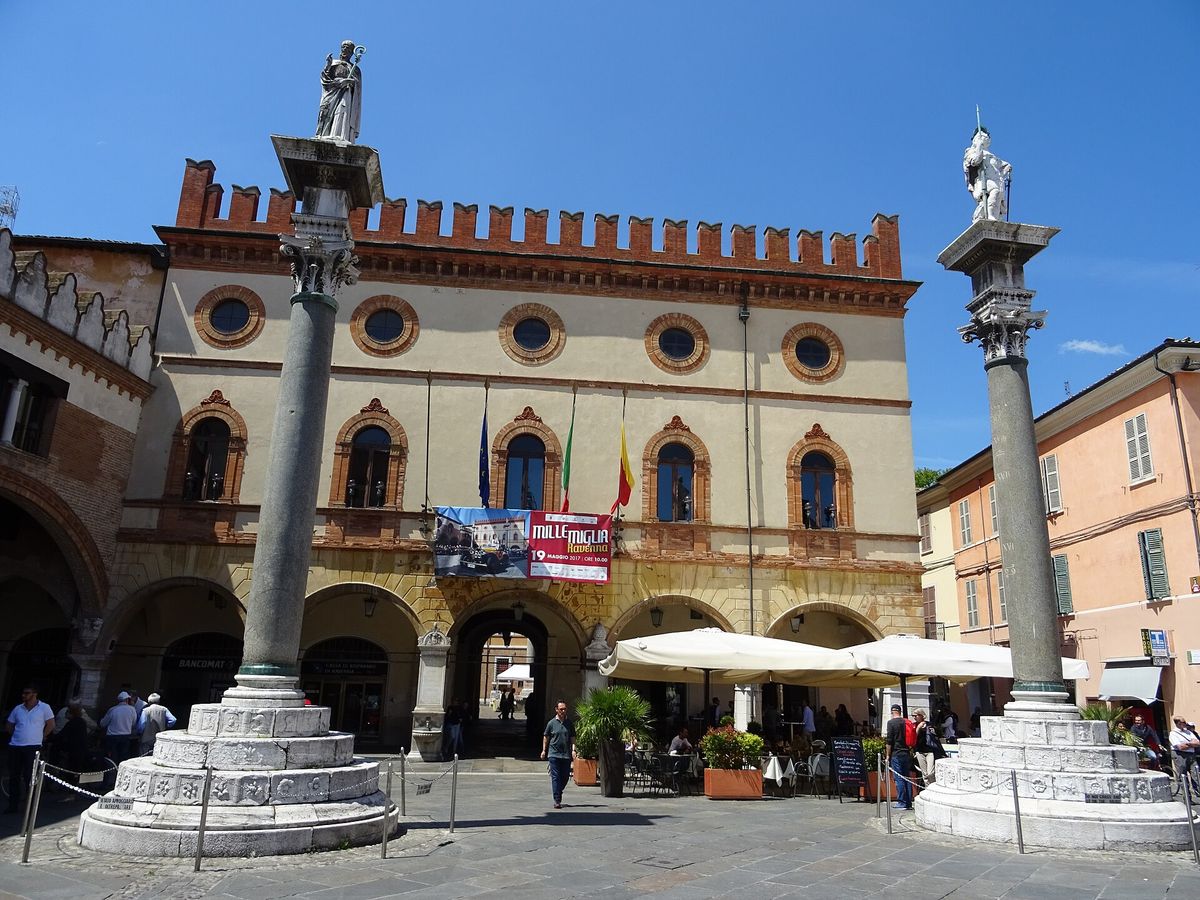
Piazza del Popolo is the heart of the city: for over seven centuries the palaces of power, such as the town hall and the prefecture, have stood on it. It took shape in the second half of the 13th century, under the Da Polenta family; its present form dates from 1470-1480, when Ravenna passed to Venice and the open space along the Padenna river was enlarged.
In 1483 the two columns were raised, modelled on Piazza San Marco. One carried the lion of Saint Mark; since 1509, when Pope Julius II took the city, the statues on top have been Saint Apollinaris and Saint Vitalis. The bases are by Pietro Lombardo, and one of them is carved with the signs of the zodiac.
The present name comes from the 1946 referendum: in Ravenna more than 88% of voters chose the Republic, the highest share in Italy.

Sea, pine forests and the Po Delta
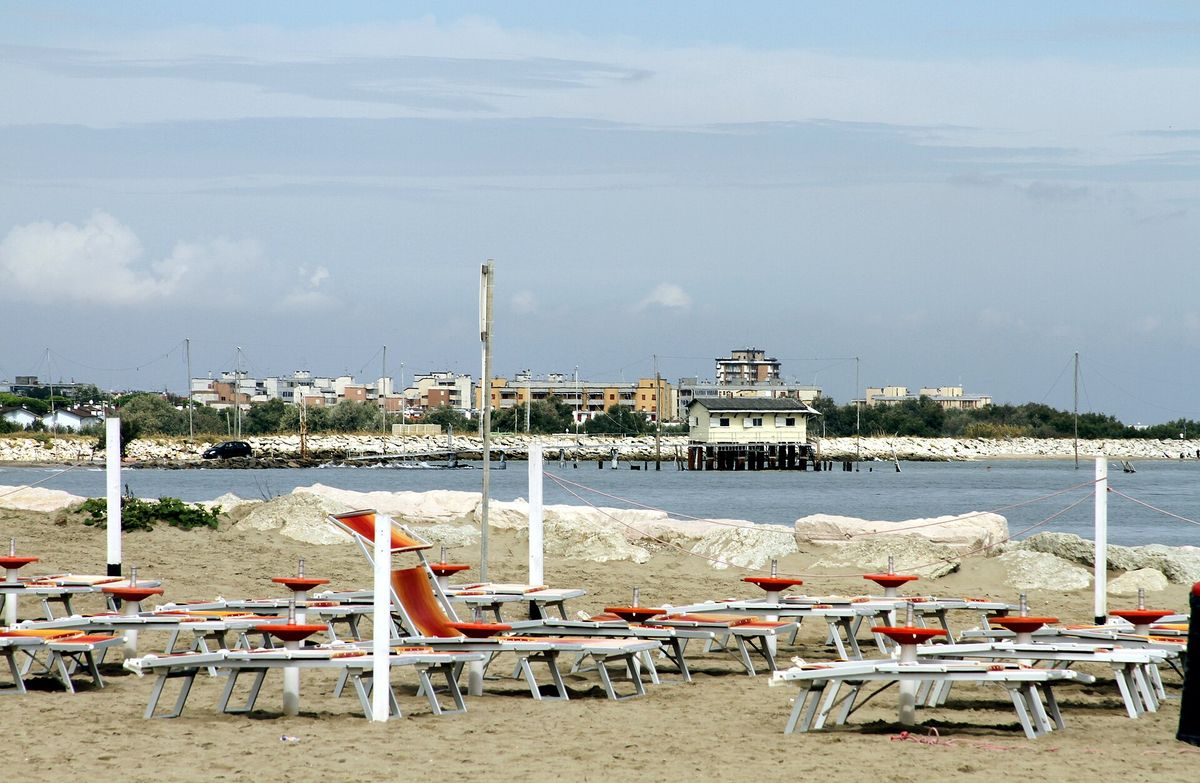
Ravenna's coast is 35 kilometres long, with nine seaside resorts: Casalborsetti, Marina Romea, Porto Corsini, Marina di Ravenna, Punta Marina Terme, Lido Adriano, Lido di Dante, Lido di Classe and Lido di Savio. Wide beaches and sand dunes, for resting or for sport.
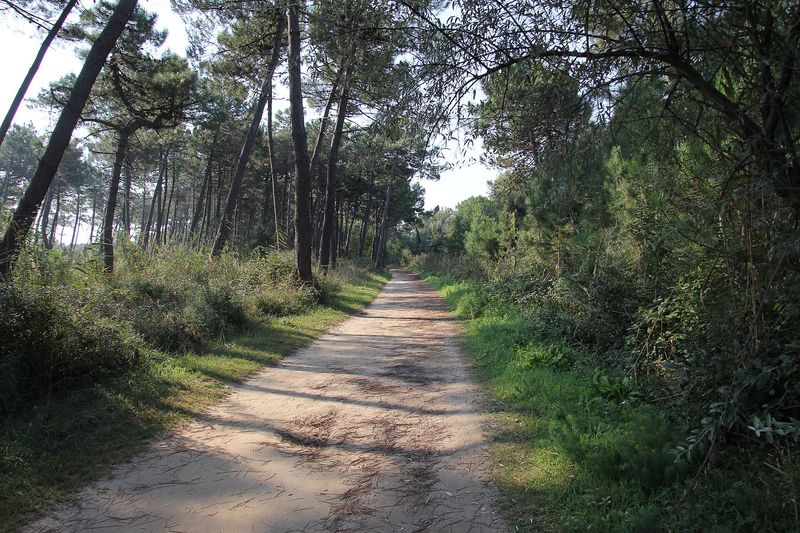
Then there are the centuries-old pine forests of Classe and San Vitale, which inspired the Romantic poets and, before them, Dante: in Purgatory the Classe pine forest becomes “la divina foresta spessa e viva”, the divine forest, thick and alive.
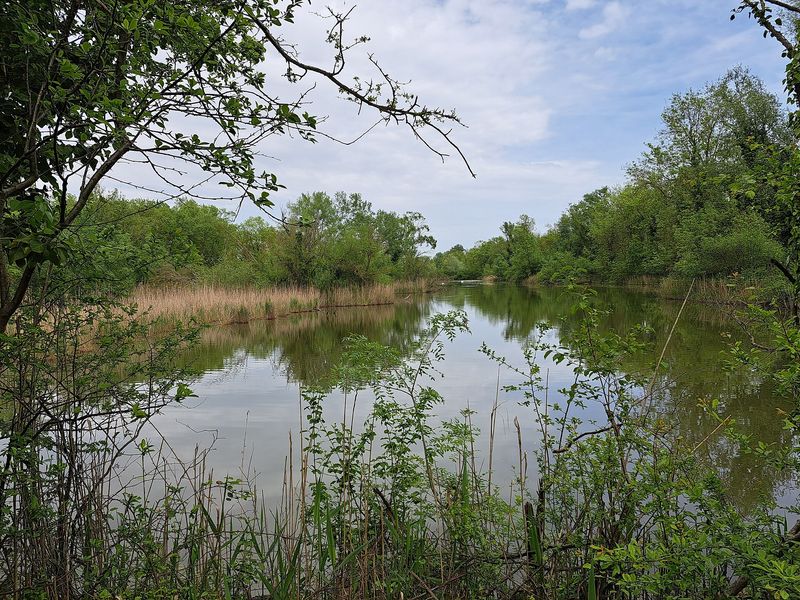
The Po Delta Regional Park, with its oases, wetlands, lagoons and canals, lies on the main bird migration route: a place for birdwatching, cycling and walking.



Mirabilandia
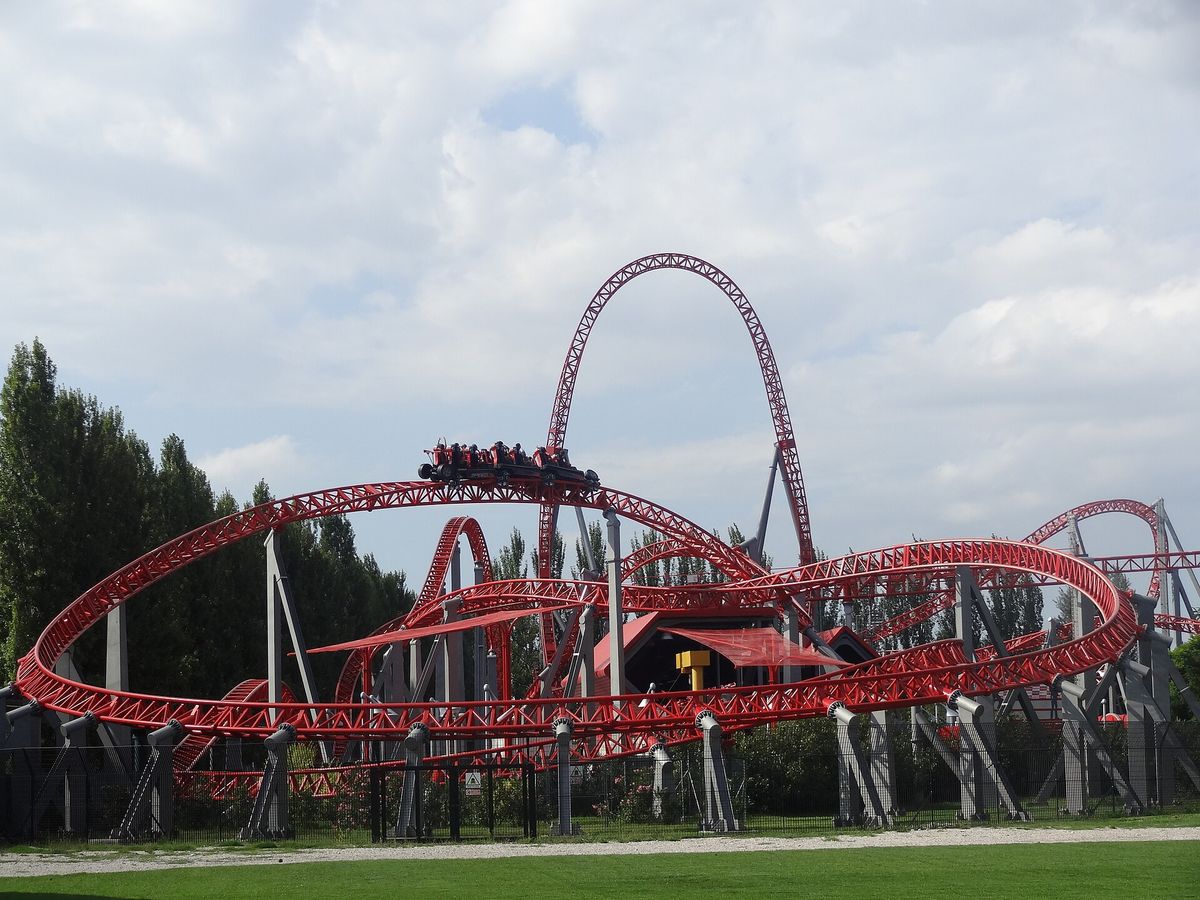
The Mirabilandia amusement park is in Savio di Ravenna, on the Adriatica road next to the Classe pine forest. It opened on 4 July 1992 and, at 850,000 square metres, it is the largest amusement park in Italy. Mirabeach, the water park, is part of it.
It is about 10 km from the centre of Ravenna; by car about 14 km, 20 minutes.

Music and festivals
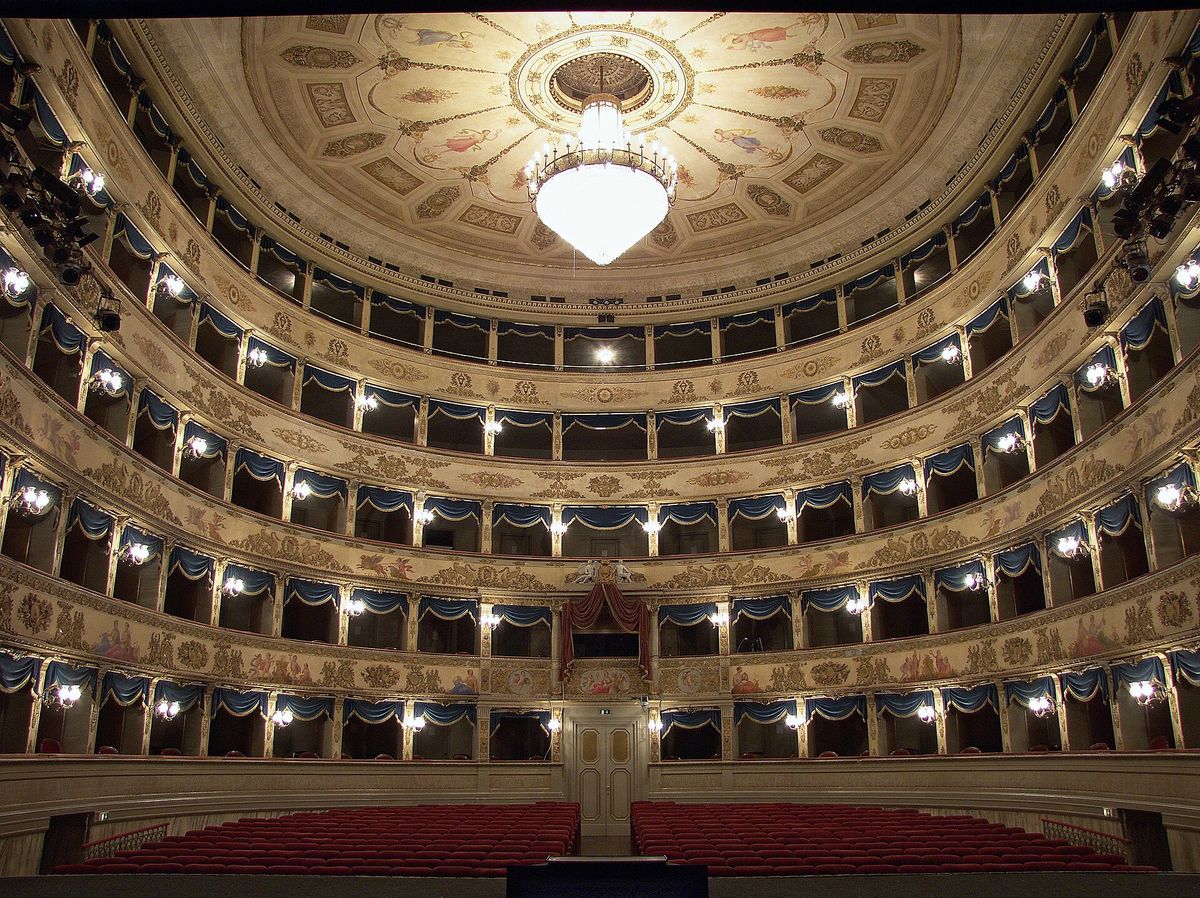
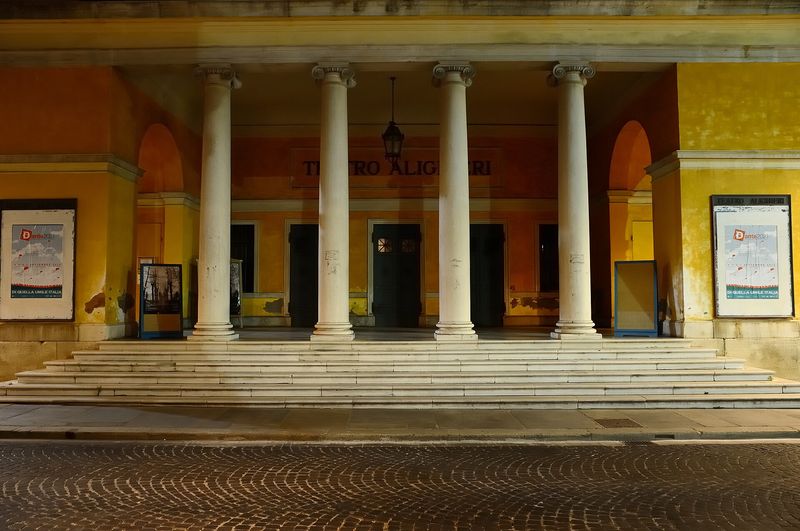
Ravenna Festival, founded in 1990 by Cristina Mazzavillani Muti, brings symphonic and chamber music, opera, theatre, dance and jazz to the basilicas, historic theatres, cloisters and even the beaches and pine forest every year from June to July. It returns in the autumn with the Trilogia d'autunno.
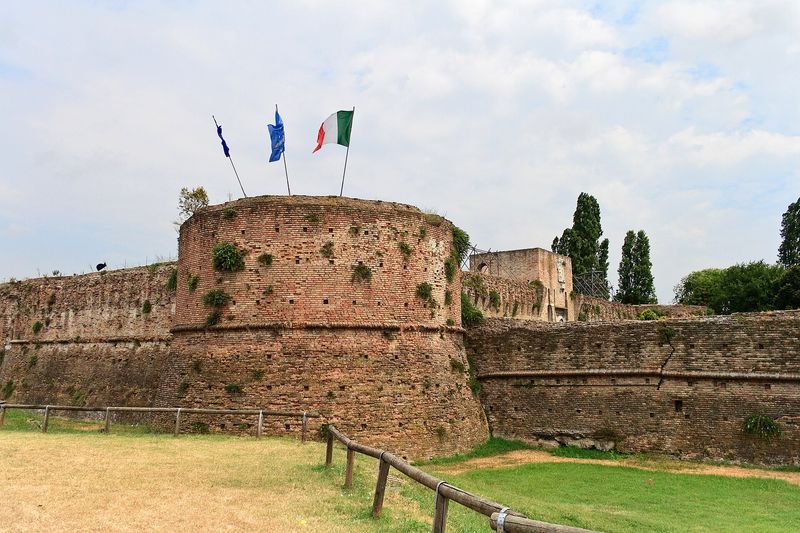
Events and festivals are also held at the Rocca Brancaleone, the fortress the Venetians began building in 1457.



How to get to Ravenna
- By train
- The station is right in the historic centre and has two entrances: Piazzale Farini, the main one, and Via Antico Squero, on the Darsena side. Trains are run by Trenitalia and TPER.
- By car
- The main link is the A14 motorway from Bologna, which the A1, A21 and A22 join. Ravenna is also reached by the SS16 Adriatica, the E45 (SS3 bis) from Terni and the SS309 Romea, which the roads from Padua and Ferrara join. The centre has a limited traffic zone (ZTL); the city has free and paid car parks.
- By plane
- Ravenna is connected to the airports of Bologna (Guglielmo Marconi), Forlì (Luigi Ridolfi), Rimini (Federico Fellini), Ancona and Venice (Marco Polo).